Environmental monitoring
Summer Student Programme
- Council »
- Careers at Waikato Regional Council »
- Summer Student Programme »
- Environmental monitoring
All applications close on the 9th August 2026
Opportunities available
-
3 positionsDates:
9 November 2026 - 26 March 2027
2 November 2026 – 7 May 2027
Location: Hamilton City Office
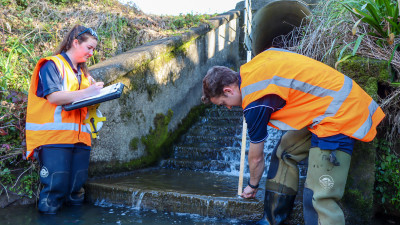
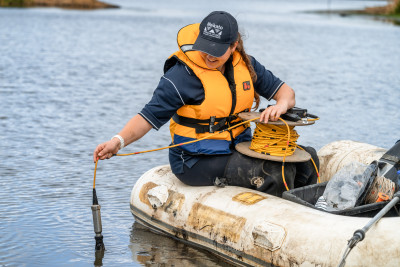
In this role, you will be involved in water quality monitoring of rivers, streams, lakes and bathing beaches around the Waikato Region as part of our State of the Environment (SOE) monitoring network.
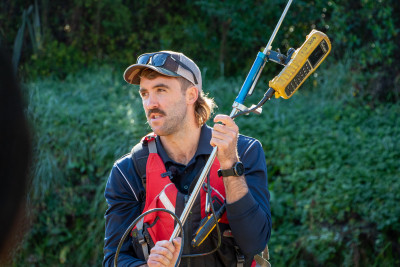
You will be part of our committed Water Quality Monitoring Team travelling around the Waikato region. You will learn various water sampling techniques, how to use handheld instruments to measure water quality parameters, contribute to innovative environmental projects, and conduct site maintenance. This role offers a fantastic chance to sharpen your fieldwork and data management skills, get hands-on with the various water quality monitoring techniques, and play a vital role in protecting and enhancing the waterways of the Waikato Region.
If you are someone who thrives in team environments, has a passion for the taiao – environment, and is eager to launch your career in environmental science, this role is perfect for you. Nau mai, haere mai!
-
2 positionsDates: 2 November 2026 – 2 April 2027
Location: Hamilton City Office
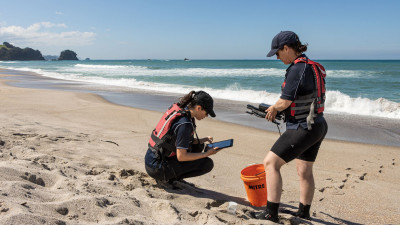
Join our thriving Coastal Monitoring Team at Waikato Regional Council and have a great summer exploring the beautiful Coromandel and west coast beaches. You will be collecting coastal water samples from our beaches across the Waikato rohe and processing coastal ecology invertebrate samples.
-
1 positionDates: 9 November 2026 – 7 May 2027
Location: Hamilton City Office
In this role, you will be involved in the ecological monitoring of 150 streams and rivers around the Waikato Region as part of our State of the Environment (SOE) monitoring network.
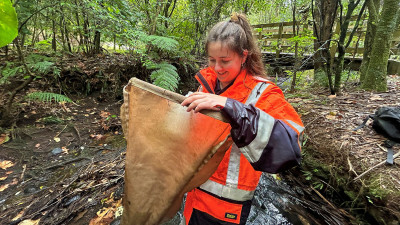
You will learn a range of freshwater invertebrate sampling techniques, how to conduct habitat assessments, and collect a suite of other ecological parameters at each stream. This role provides an excellent opportunity to develop fieldwork and data management skills, learn more about freshwater ecology, and contribute to our regional understanding of our wai māori freshwater systems.
If you are a team player, passionate about the environment, and looking to kick-start your career in freshwater ecology, this role is for you!
-
2 positionsDates: 2 November 2026 – 7 May 2027
Location: Hamilton City Office
In this role you will be supporting the Terrestrial Biodiversity Monitoring team to conduct ecological surveys on private land for State of the Environment reporting.
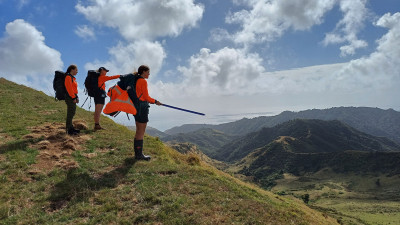
You will work in a team collecting terrestrial biodiversity data across the region, including vegetation sampling, bird counts, animal pest surveys and acoustic recording devices for bat and bird detection. This includes planning, equipment maintenance and data management in the office.
If you are passionate about biodiversity conservation, love spending time outdoors and have an interest in our land-based plants and animals then this is a great opportunity for you to gain valuable experience to kick start your career in environmental monitoring!
-
2 positionsDates: 9 November 2026 – 7 May 2027
Location: Hamilton City Office
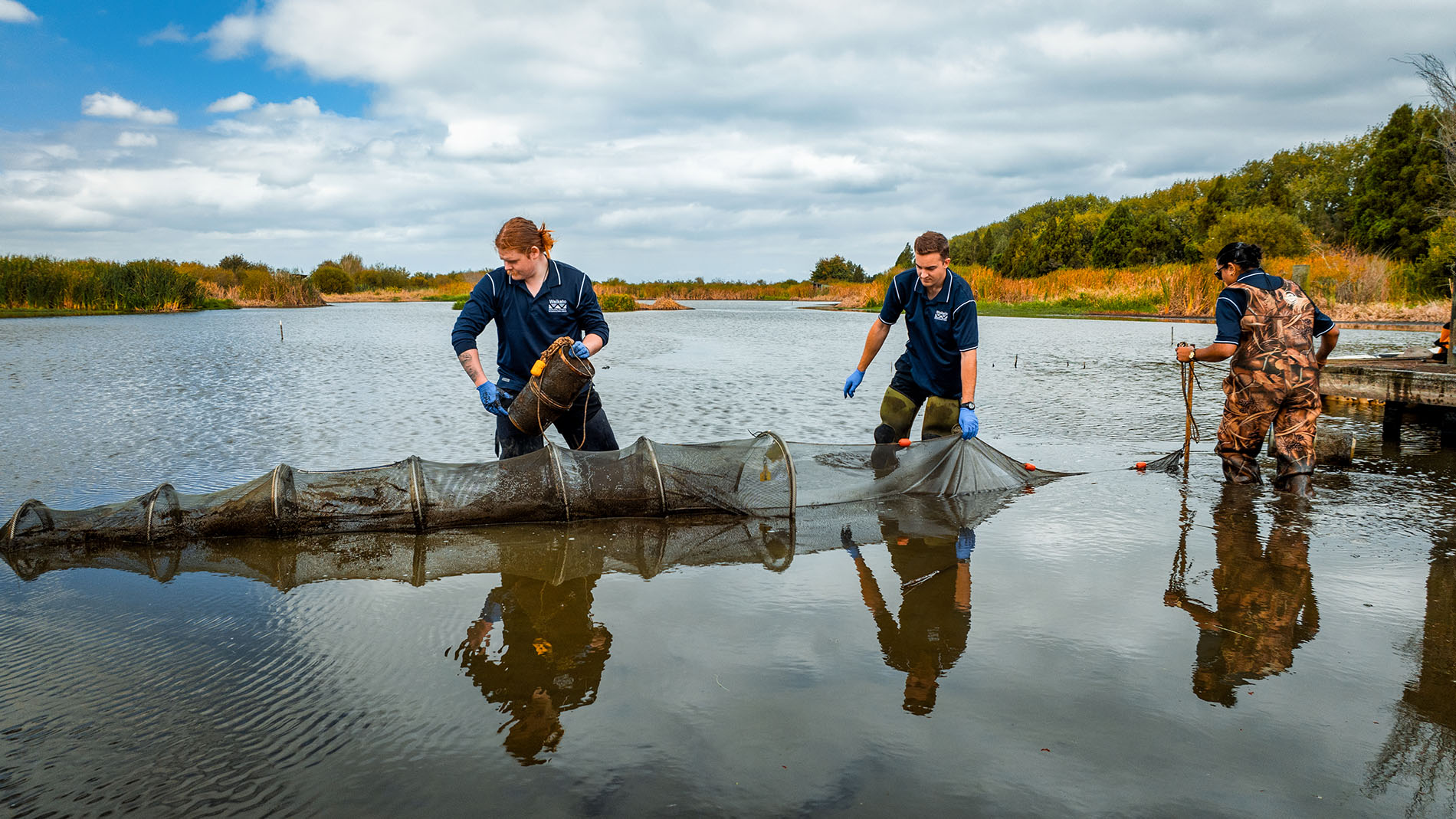
In this role, you will focus on the ecological monitoring of freshwater fish species of the Waikato Region as part of our State of the Environment (SOE) monitoring network.
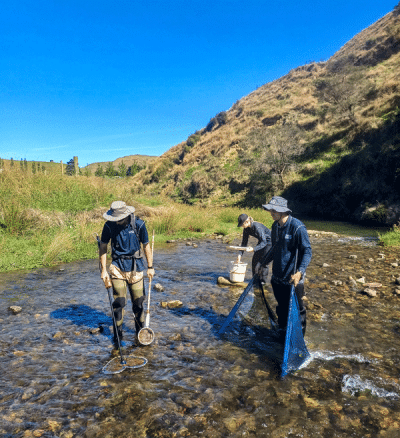
You will be part of the field team and travel throughout the Waikato Region to 70 streams over the summer. This role will undertake fish surveys using a combination of electric fishing, netting, and eDNA methods. You will also assist with data entry, quality control, and have opportunities to work with other environmental monitoring teams.
In this role you will develop skills ranging from fish capture and identification, navigating tricky terrain, and maintaining field equipment; to managing data and liaising with landowners.
As a member of the Ecology Monitoring Team, we are looking for someone who is committed to making a difference in our taiao (environment), is looking for an ideal start to their career in ecology and is ready for an adventure exploring the outdoors!
-
2 positionsDates: 2 November 2026 – 30 April 2027
Location: Hamilton City Office
In this role, you will be conducting the mapping and monitoring of barriers to fish passage as part of our efforts to conserve our migratory fish species.
You will be part of a dedicated team with the task of identifying, surveying, and reporting on barriers such as culverts, weirs, and fords. You may also have opportunities to contribute to our other environmental monitoring teams.
As a fish passage monitoring technician, you will develop skills including using mapping software, organising field trips, assessing a range of in-stream structures, and navigating tricky terrain.
This is an excellent opportunity if you are interested in contributing to the conservation of our native ika species, are a safe and independent worker, and are ready to spend your summer exploring the Waikato region!
-
1 positionDates: 9 November 2026 – 26 February 2027
Location: Hamilton City Office
Spend your summer outdoors with our Hydrology Monitoring Team! Gain hands-on experience working in rivers and streams, supporting flood and low-flow monitoring, and learning from experienced hydrology professionals. Perfect for students who enjoy the outdoors, teamwork, and making a real environmental impact.
-
2 positionsDates: 9 November 2026 – 26 Feb 2027
Location: Hamilton City Office
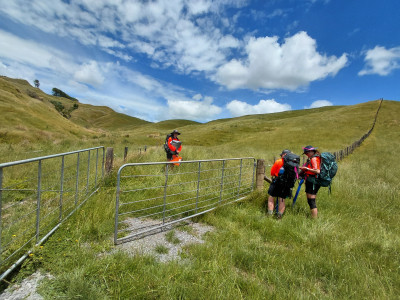
We are looking for someone who is passionate about the Waikato region, is fit, enjoys working outdoors but is happy using a computer too, can work autonomously but follow a set methodology, is familiar with New Zealand farming systems, is confident talking to members of the public, and has an eye for detail. If successful, you will be working with another field assistant under the guidance of a Soil and Land Scientist primarily on collecting information on catchment-scale riparian condition. You may also support a range of broader catchment monitoring activities, including sediment gaugings and water quality sampling.