


Pass It On is here with useful facts, updates and tips for this time of year.
We’re encouraging farmers to maintain secure fencing and we’re also here to help you get it right when planning earthworks. Even small-scale projects on private property have rules to avoid land instability, sediment runoff and environmental damage, and our team is available 24/7 to support you.
Invasive species remain a major challenge across our marine environments, which boaties can help prevent through regular haul-outs and antifouling. Further inland, it’s not too late for us all to stop Senegal tea spreading through our riverbanks and wetlands.
We’re also sharing useful updates on getting around this season. Te Huia is now running during school holidays, while real-time bus displays make it easier to plan journeys around Hamilton. Bee Cards remain the cheapest way to travel on BUSIT, with weekly fare caps and free transfers once you tag on and off.
There’s plenty of practical help available. Take action where you can and pass it on.
Fencing
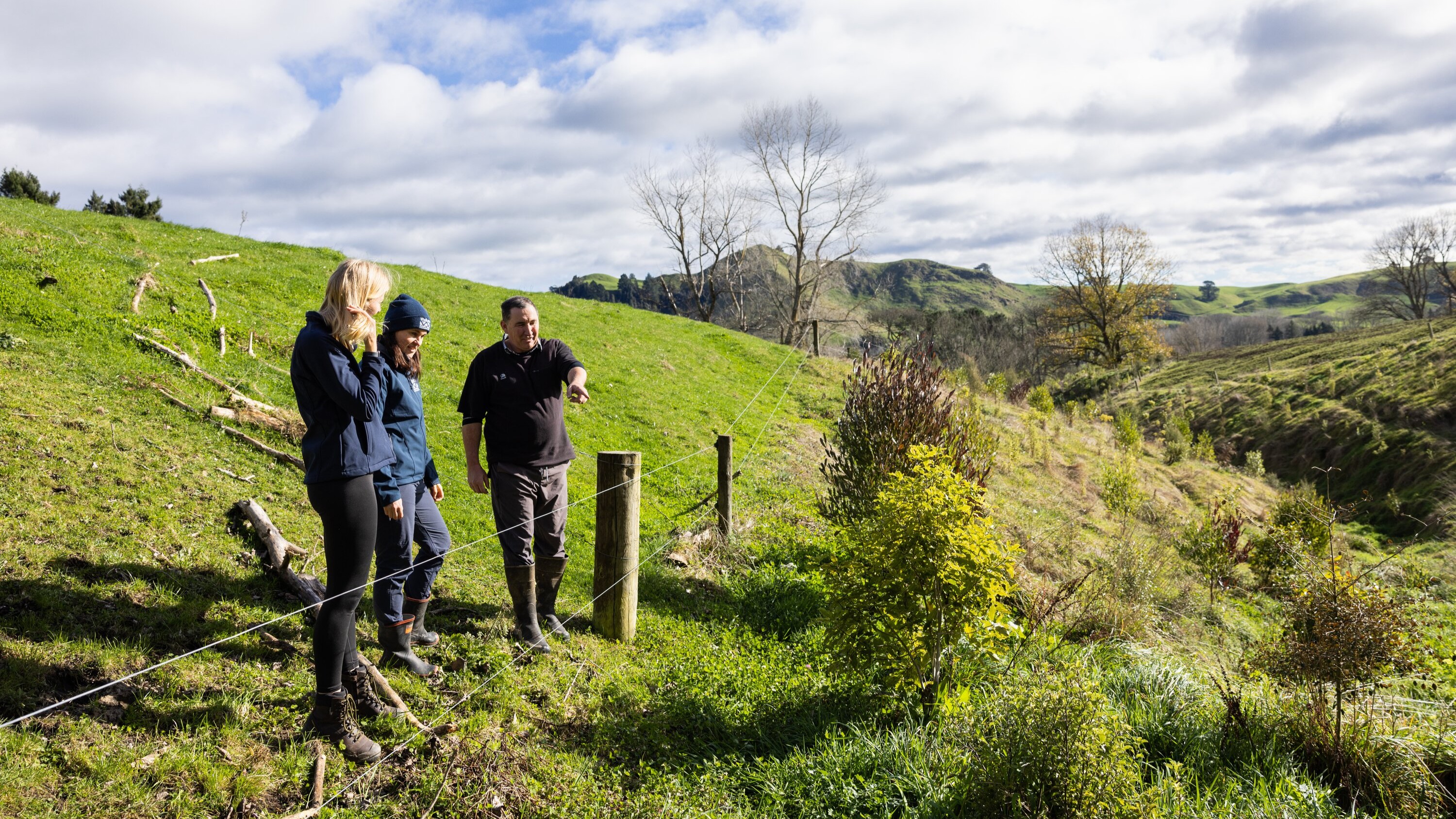
Secure fencing can really take a load off your mind, keeping your livestock safe and your investment secure.
With correct placement, it can also keep a load of contaminants (E.coli, P, N and sediment) out of rivers and streams, which is great for the environment.
To help you get it right, here’s a handy farmer’s guide [PDF, 3.9 MB], covering rules of our region, including stock exclusion.
There may be funding available to you to assist with riparian planting and fencing too. Visit our catchment pages to check availability in your area.
Know before you dig
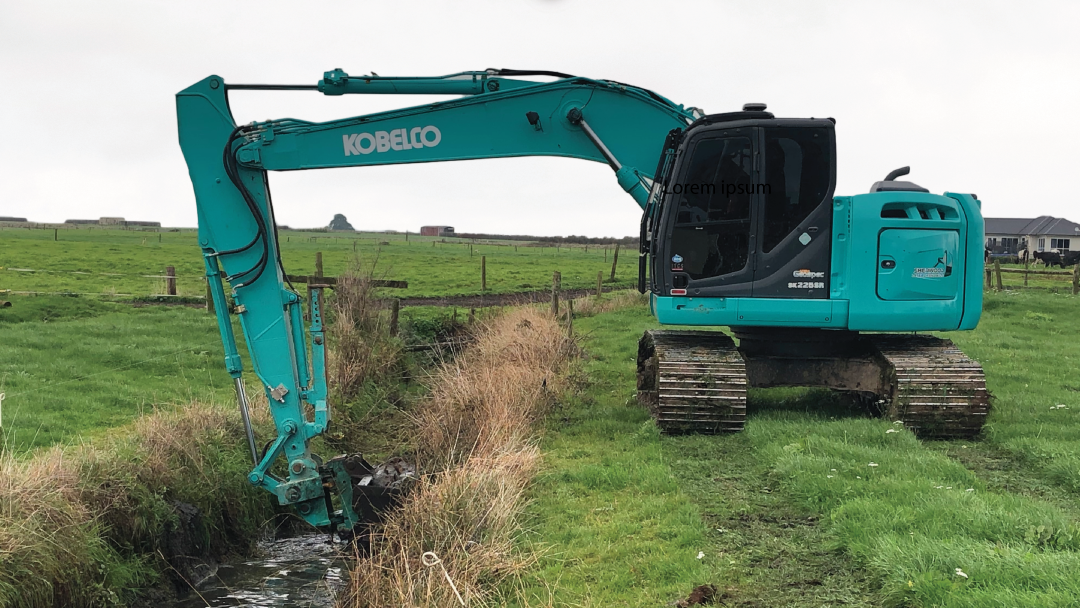
If you’re planning an earthworks project in the Waikato region, including small scale works on private property, you need to make sure you’re sticking to the rules.
If the right precautions aren’t taken, common earthworks projects can cause land to become unstable and release excessive amounts of sediment into our wetlands, waterways and coastal areas.
This can put you and your property or business at risk. It can also damage water quality and delicate habitats, smothering critical species and interrupting lifecycles, often with serious long-term effects.
Having a clear plan, getting the right consents and meeting relevant conditions protects you, your property and the environment. And we’re here to help you get it right.
Marine pests
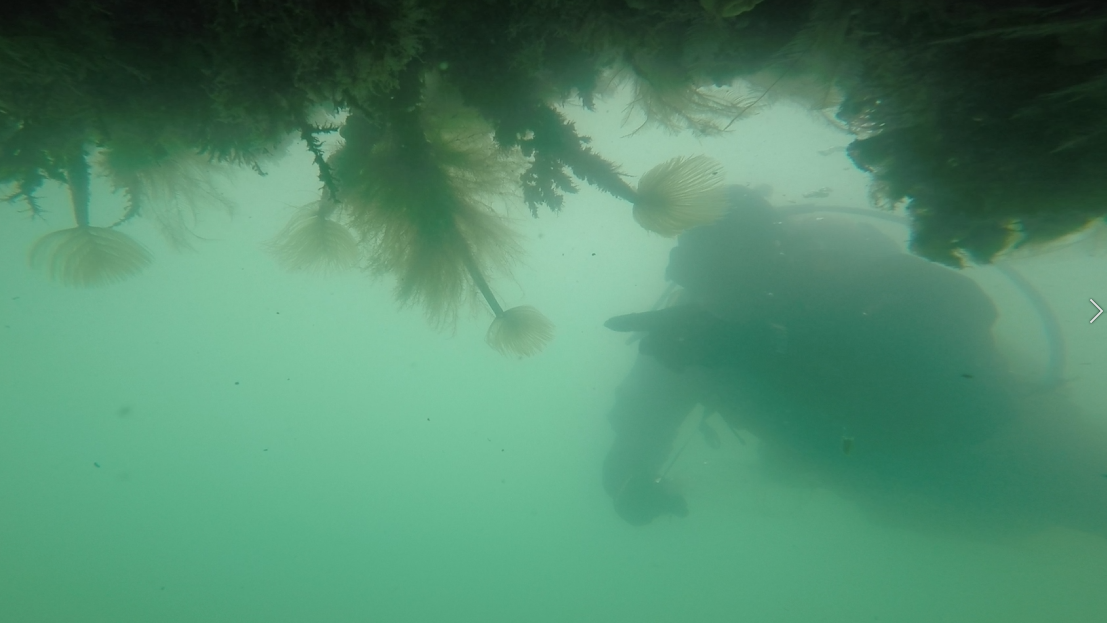
Mediterranean fanworm is an invasive marine pest that likely arrived in New Zealand on ship hulls from Australia. It is now well established in parts of the Waitematā Harbour, inner Hauraki Gulf, Lyttelton and Whangārei Harbour, where it commonly grows on wharves, marinas and boat surfaces. Once present, it can increase drag on boats, raise fuel costs, clog motors and pipes, and damage propellers.
Marine pests like Mediterranean fanworm can also impact your fishing by smothering native species such as scallops, pāua and mussels, and reduce enjoyment of activities like diving by changing the underwater environment.
If you spot Mediterranean fanworm anywhere outside the west coast of the Coromandel Peninsula, notify MPI straight away. Keep your boat antifouled and check it regularly to help stop the spread.
Senegal tea
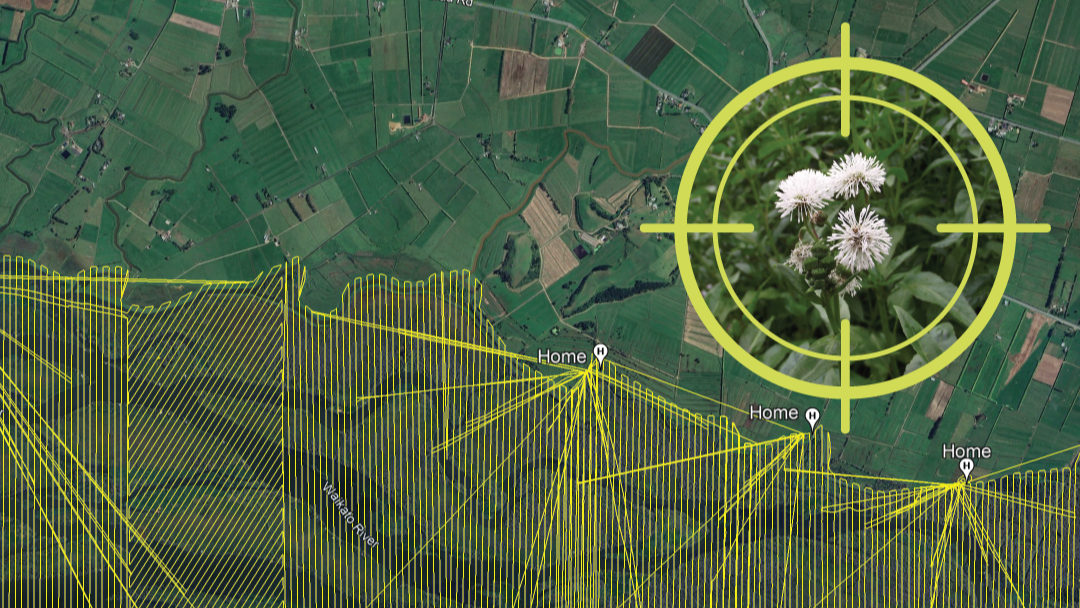
Senegal tea is an invasive freshwater weed that is spreading along riverbanks and wetlands, where it quickly smothers native plants and creeps out over the water.
In the Waikato delta, drone mapping has identified a 7km stretch already infested, where species like kōwhitiwhiti/watercress are being overtaken and fish habitats are at risk due to reduced oxygen levels. The affected area runs from Elbow Landing Reserve (near Aka Aka) out to Port Waikato.
Although it looks harmless, Senegal tea fragments easily and spreads fast, making the problem worse if it is disturbed. It can block streams, slow water flow, increase flooding risk and interfere with activities like fishing and boating.
We’re responsible for controlling this pest and it is illegal for anyone else to remove or disturb it. If you see Senegal tea, do not touch it or attempt to destroy it. Report it immediately by calling 0800 800 401. Checking boats, equipment and drains for fragments can help stop its spread.
Te Huia

Te Huia is a popular choice for leisure travel, with more than 80 per cent of passengers riding for day trips and getaways. To make it even easier to get on board, Te Huia now includes school holiday periods in its schedule, offering daily return services between Frankton (Hamilton) and The Strand (Auckland), Monday to Sunday.
Under 15s travel half price with a registered Bee Card.
Learn more about Te Huia and pass it on for the school holidays.
Real-time displays

Real-time displays at some of Hamilton’s busiest bus stops make it easier to plan your journey. These live screens show exactly how far away your bus is, using GPS data from buses across the network. You can also track buses in real time through the Transit app.
Fare caps with Bee Card

Bee Cards make bus travel easier and cheaper across the BUSIT network. Your weekly fare is capped from Monday to Sunday, so once you reach the cap, the rest of your bus trips that week are free.
Just tag on and tag off with a registered Bee Card and the system automatically calculates the lowest fare, including free transfers between buses and across zones.