
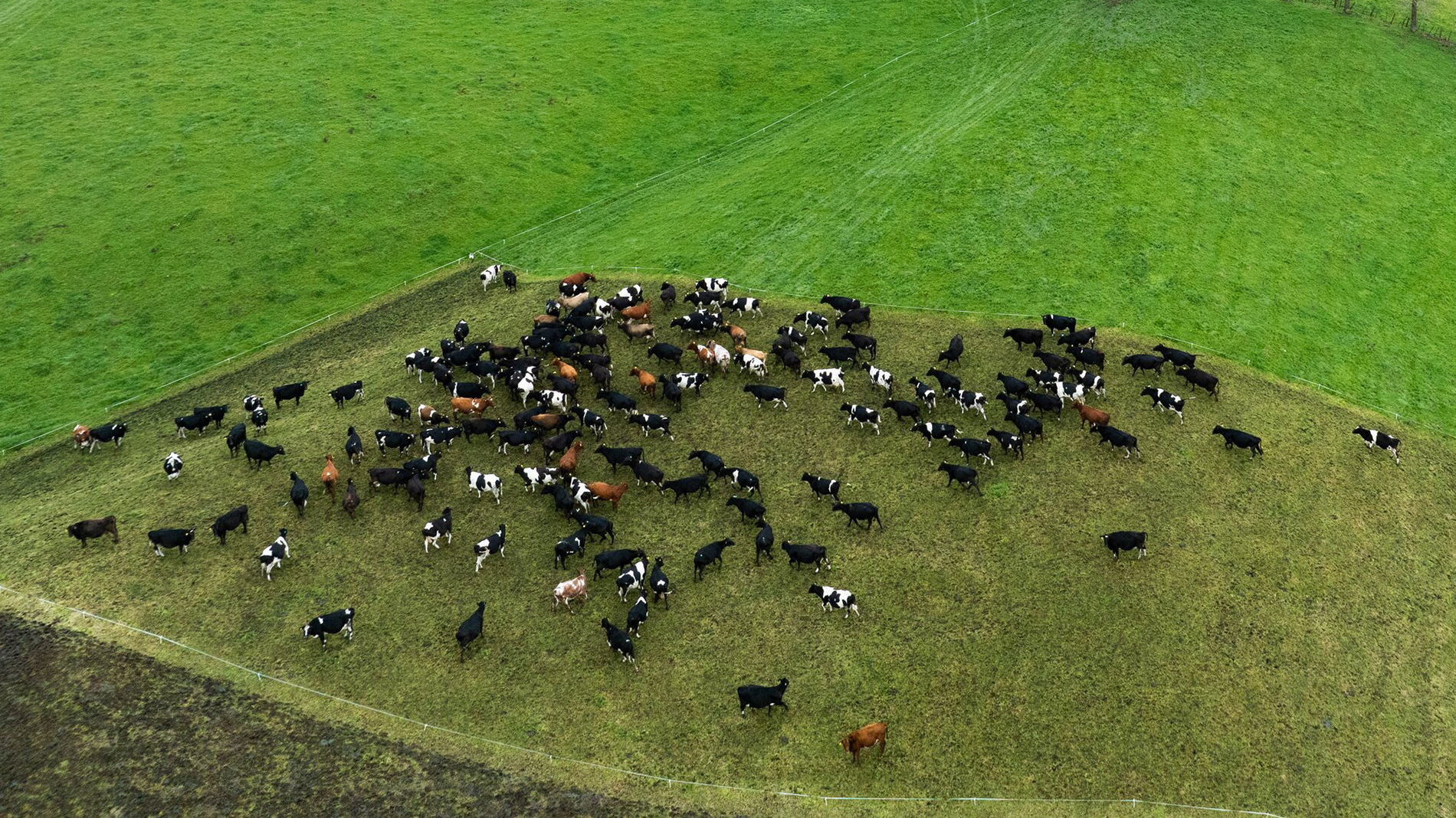
Good planning and clear communication make a big difference on Moving Day. Getting organised early and making sure you have a clear plan will help everything run smoothly. It’s also important to think carefully about animal movements, and to ensure all farm equipment and machinery leave the property clean and disinfected to reduce health and biosecurity risks.
New to the Waikato? Welcome!
You may have farmed in a different part of New Zealand and may not be familiar with the effluent rules in our area, or it may just be time for a bit of a refresher.
Effluent rules can vary significantly around the country, so make sure you are familiar with this region’s rules. They are put in place to protect the environment, and the dairy farm effluent system must comply with them 365 days a year (including Moving Day).
Please note, breaches of the RMA and permitted activity rules for dairy effluent management may attract significant financial penalties. Prioritising effluent management will avoid any compliance issues for you.
Here are some links that may help you get familiar with the rules:
Going to the next farm
Before leaving a farm, make sure the effluent system is in the required contractual condition and discuss any risks if this is not achievable. Provide clear instructions on system operation and key risk areas.
Before you move to the new farm, it’s vital to communicate with the owner and current operator about the effluent system, how it works, and what to expect on June 1. Early communication is key to ensure everyone is clear on what the expectations are.
When starting on the new farm, inspect the effluent system, run it to confirm correct operation, carry out an initial (and then monthly) maintenance check, and ensure all staff are inducted, trained and aware of their legal responsibilities.
Take notes and photos of all aspects of the effluent system and associated areas including the feed pad, stand-off area and any effluent holding facilities. Compile this in an email to the owner so there is a clear record.
Maintain a clear, up-to-date Effluent Management Plan (EMP) that explains how the system operates, outlines responsibilities, and sets out procedures for breakdowns, compliance issues and adverse weather. Review the EMP regularly, involving staff where possible, to ensure it remains effective and well understood.
Visit effluent management below for more detailed information about how to take over an effluent system.
Dumps and offal holes
Ensure that you clearly identify any old dumps or offal holes on the property you are leaving, so they are not accidentally disturbed. Also, at the new farm, find out the location of these disposal sites.
Your local district council may require you to have a land use consent for your dump and offal hole. Check with them first to ensure you are compliant.
If you’re farming in an area where the water tables are very close to the surface, consider composting your offal or using a commercial animal carcass collection service.

Management of livestock effluent during transportation
Trucking
When booking a stock transporter, ask around for recommendations and ask questions to ensure you are comfortable trusting your animals in their care.
Confirm that the truck:
- will be thoroughly cleaned before your cattle are transported
- has suitable effluent storage and that it will be emptied in a compliant way to prevent unlawful discharges.
There are things you can do to reduce the stress on stock during their journey between farms, mitigate effluent output, and ensure they arrive safely.
Droving
Restrictions apply to moving livestock along a road (droving). Moving livestock along roads creates additional traffic management, road safety, environmental and animal welfare risks so must be carefully planned and undertaken. Local bylaws will apply to the droving of stock.
You can find those bylaws on each local authority’s website.
Biosecurity risks
Pest plants
There is a significant biosecurity risk associated with moving stock, plant and machinery between farms. Robust biosecurity measures will protect your livestock investment and the wellbeing of your herd and will support the region’s biosecurity efforts.
You can best manage this risk with the thorough cleaning, disinfection and proper transfer of all farm equipment, machinery and stock. Planning and preparation are key.
Disease
Ensure vaccinations are up to date and that BVD, Johne's and other disease testing is done prior to moving. Check there are no biosecurity restrictions or requirements on the new farm, for example for M. bovis or TB control.
Confirm the health status of any animals that will be mixing with your animals on the new farm, and if necessary, arrange for testing, vaccinations and vet treatments. Keeping new animals separate for 7-14 days reduces the risk of introducing unwanted diseases.
Updating your farm details
Permitted activity registration
Effluent management from dairy farming is a permitted activity under the Waikato Regional Plan and is registered to the landowner. Our registration form is available online and should be completed again if any of the farm details change.
Please email the updated form to rm.requests@waikatoregion.govt.nz. Easy!
Consents
You may have a consent for a water take on your farm and need to transfer it to a new owner. You can transfer your consent to another person or party if they will be operating the same activity at the same location. That transfer can involve the whole or part of the consent and may be temporary or permanent.
You can also arrange to surrender (relinquish, cancel) your consent if you will no longer be undertaking the activity it authorises.