Coromandel public asked to lookout for nasty pest plants
| Published: | 14/10/2026 |
Waikato Regional Council is calling on the public to report any sightings of two nasty pest plant species currently in flower which can be found in ‘significant patches’ in the Coromandel.
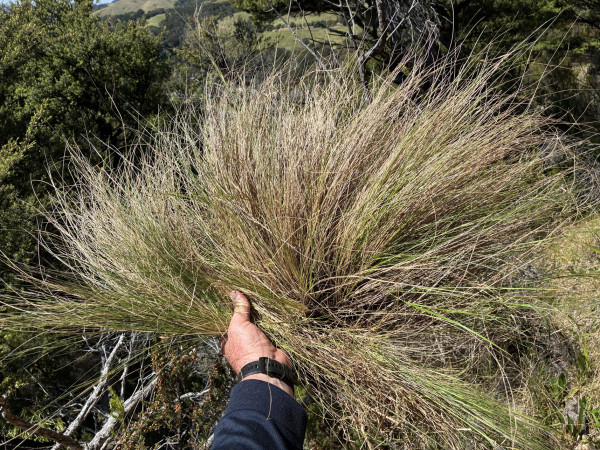
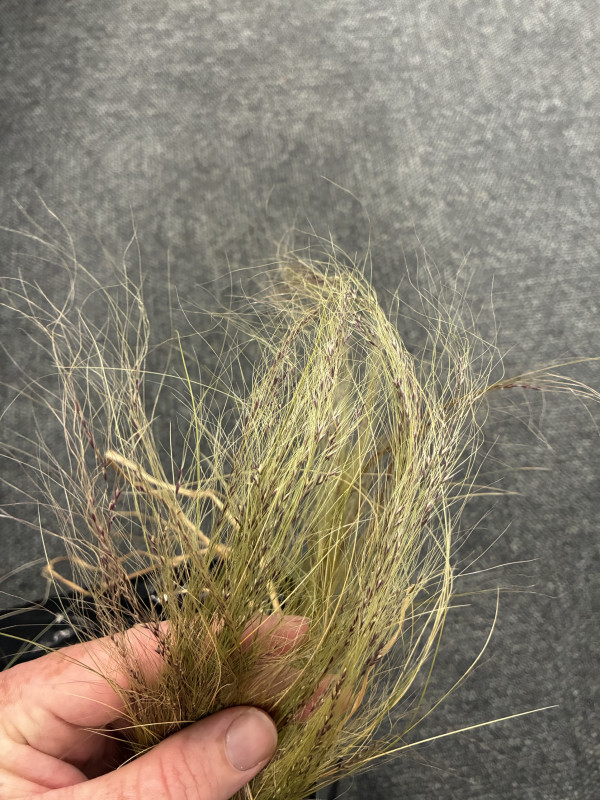
The two pest plants – Nassella tussock and Mexican feathergrass – are similar in appearance and are both difficult to get rid of once they get established.
“We’re aiming to eradicate these pest species from the Waikato region, but to do that we need to know where they’re hiding,” says the council’s Team Leader – Pest Plants, Darion Embling.
“If you see these plants on your own property or in the general area, please contact us either by calling 0800 800 401 or completing the reporting form on our website.
“It would be very helpful if you could take a photo and include this along with the precise location when you complete the form.
“Do not attempt to control these pest plants yourself. Our council is responsible for the management of high threat pest plants and has protocols for Nassella tussock and Mexican feathergrass.”
Nassella tussock and Mexican feathergrass both represent a considerable threat to the environment.
“They are extremely successful invaders and can dominate pasture or sparse coastal faces by outcompeting other species,” says Darion.
“They are indigestible for livestock and form balls in their stomachs, contributing to ill-shrift. In addition, their seeds contaminate wool and can even cause blindness in lambs.”
Both Nassella tussock and Mexican feathergrass spread easily. Nassella tussock, for example, can produce up to 100,000 seeds per year. The seeds can be blown long distances in strong winds, over eight kilometres in some cases and Nassella seeds can last 30 years in the soil.
“Although they are not well established on the Coromandel Peninsula, we are seeing significant patches between Thames to just north of Coleville, including around Coromandel harbour. They have also been found around Whitianga and Whangamatā,” says Darion.
The two grass-like plants look similar and tend to be densely clumped. They have narrow, hair-like light green or yellow leaves and they are starting to put up purple seeds.
More information on pest plants is available at waikatoregion.govt.nz/plant-and-animal-pests